FPV vs. Traditional Drone Footage: What Changes in a Listing Video
Side-by-side: what a gimbal drone can do, what FPV unlocks, and when each one is actually the right tool.
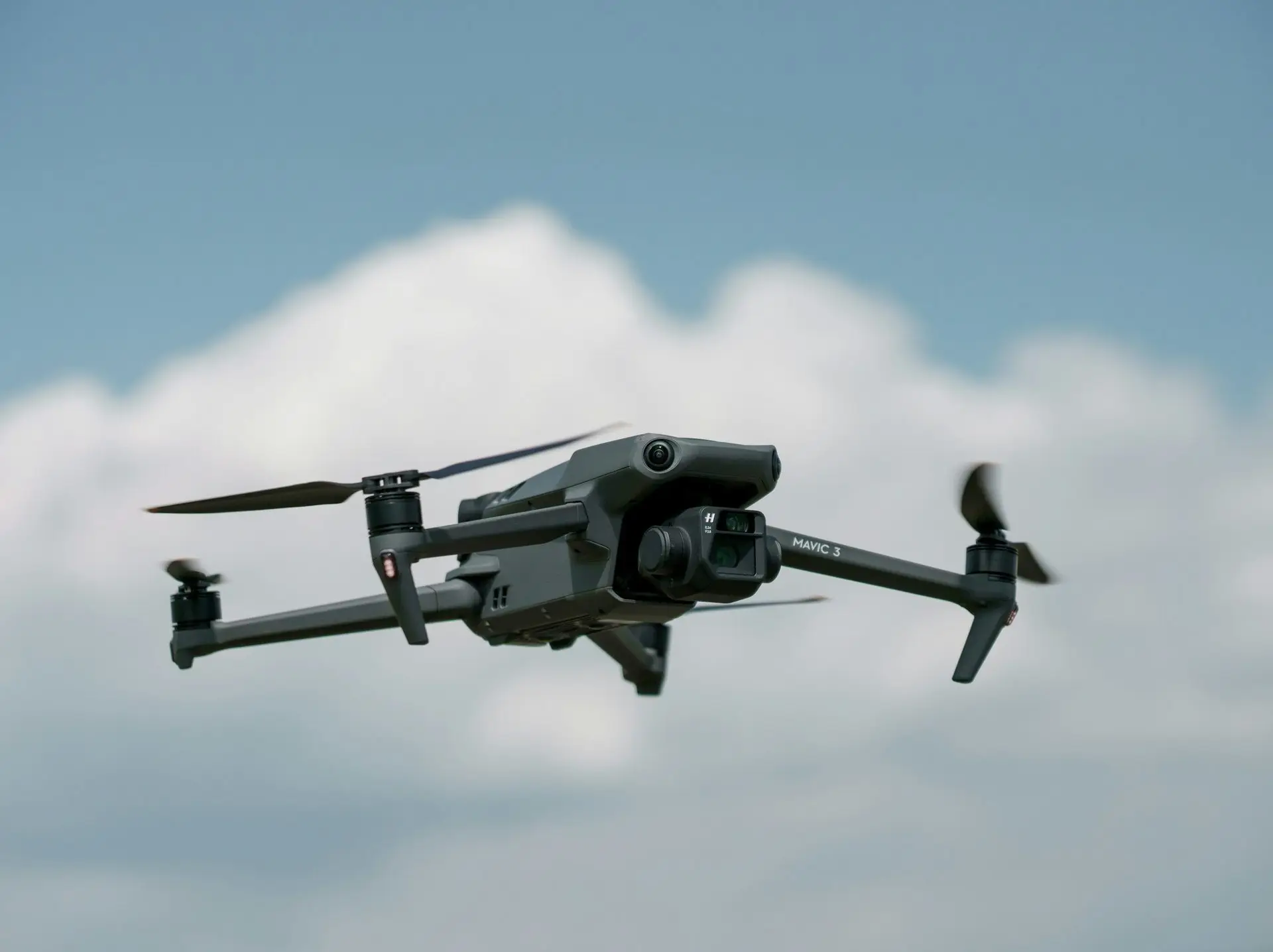
When real estate agents ask about drone footage, most of them mean the same thing: sweeping aerials, a slow orbit around the roofline, maybe a descending reveal shot from above the tree line. That’s gimbal drone footage. It’s the default format, it’s in every listing package, and it does one thing well: exterior scale.
FPV is not that. It’s a completely different tool, built for a different problem. The confusion between them, and the assumption that FPV is just “a fancier version of aerial footage”, is worth clearing up before you book anything.
What a gimbal drone actually does
A gimbal drone, a DJI Mavic, Inspire, or similar, carries a stabilized 3-axis camera suspended below the frame on a motorized mount. The gimbal keeps the horizon locked regardless of how the aircraft moves, which is why the resulting stills look clean and the footage looks cinematic. You’re watching a stabilized camera platform that happens to be in the air.
That stabilization is also a physical constraint. The drone is large, too large to fit through a doorway, too large to fly near furniture without prop wash knocking things off shelves. Gimbal drones are exterior tools. They can show your listing’s lot, its roofline, its street presence, and its relationship to the neighborhood. They cannot show what’s inside.
In a Standard package, a gimbal drone produces aerial stills, high orbit, descending reveal, backyard sweep, neighborhood context. Aerial video from a gimbal (slow orbit footage, dramatic pull-backs, the full cinematic aerial sequences) comes in at the Elite tier, where the deliverable is a dedicated property film with licensed score. For most listings, the aerial photo set is what matters: buyers use it to confirm the address and the lot before they engage further.
The stills a gimbal drone does well:
- High orbit establishing shot (house + block context)
- Low descending reveal toward the front door
- Backyard sweep, pool, deck, mature trees, view
- Aerial of a large lot or acreage
- Neighborhood proximity (school, park, water feature, downtown skyline)
These belong in every Standard package.
What FPV changes, the interior problem
The gap gimbal drones leave is everything inside. Walk-through video from inside a home is almost always a phone, the agent walks room to room, the camera shakes when they turn a corner, and the cut between floors breaks the spatial logic the buyer was trying to build. You end up with a collection of room fragments instead of a house.
FPV closes that gap because the rig is small enough to actually fly through the space. Our indoor and residential rigs are ducted sub-3-inch frames, they fit through a front door with clearance to spare. The camera is the DJI O4 Pro air unit mounted on the nose of the rig, recording log 4K directly onboard. One camera, one file.
What that means practically: the FPV tour can connect the exterior approach, the entry, every interior room, the staircase, the second floor, and the exterior exit into a single unbroken shot. No cuts. No resets. A buyer watches the tour and experiences the house the way they would on an actual showing, as a continuous space with a beginning and an end, not a stack of disconnected clips.
That continuity is the job. It’s why the FPV tour exists.
The third format, phone walkthrough, and why it loses
Most agents default to one of two options: gimbal aerial (great exterior, no interior) or phone walkthrough (interior but fragmented, exterior but ground-level). FPV is the format that replaces the phone walkthrough, not the aerial. The full side-by-side is in our FPV drone tour vs walkthrough video comparison.
Phone walkthroughs have three problems:
- Cuts. Every time the agent rounds a corner or transitions between floors, the viewer loses spatial orientation. The edit patches rooms together instead of showing a house.
- Passive incompatibility. Phone walkthroughs require attention, the viewer has to follow along and mentally reconstruct the floor plan from partial information. That’s work. Content that requires work doesn’t perform on social.
- Ceiling performance. A phone walkthrough can be fine, but it cannot be great. There’s no version of a phone walkthrough that makes a buyer stop scrolling.
An FPV tour plays passively. The buyer hits play and watches. Sixty seconds, full geometry of the house, one take. That’s the format that performs on Reels.
When each tool wins
This isn’t a competition, it’s a toolkit. Every listing has different geography that favors different formats.
Gimbal aerial wins when:
- The lot, acreage, or outdoor amenities are a primary selling point
- Neighborhood context matters (lot’s proximity to a park, lake, golf course, or downtown)
- You need the establishing shot that places the house in Charlotte geography
- The listing is raw land or a lot-heavy property where there’s nothing to show inside yet
FPV wins when:
- Interior flow is the selling point, open floor plans, great transitions between rooms, a kitchen-to-sunroom-to-backyard sequence that reads beautifully in motion
- The listing needs a social-first cut (vertical Reels, TikTok, broker feed)
- The agent wants the full tour in one shot without cutting between three separate video clips
- The property is multi-level and the vertical connection (staircase, lofted ceiling, second-floor balcony) tells the story
Both tools together, which is what the Standard package is, means you’re not choosing. The gimbal handles the exterior story. The FPV handles the interior. You hand the buyer a complete listing in one media package instead of two separate decisions.
The practical split in a Standard package
In the Standard package ($650), the day’s work covers both formats:
- FPV flythrough → MLS cut (full tour, 2-3 min, 16:9) + social cut (under 60 sec, 9:16)
- Exterior aerial photos → establishing shot, orbit, backyard sweep
- HDR interior stills (edited via Imagen, trained on OSDT’s past shoots)
- 2D CubiCasa floor plan
Everything captured in one visit. Both formats in your inbox 24 hours later. The reason the Standard package is the most-booked tier is that it removes the “which format do I need” question, you get both, shot together, delivered together.
If you’re ready to go deeper on how the FPV tour specifically works, route planning, agent cues, gear choices, the FPV drone tour playbook covers the full process. If you’re booking a first shoot and want to know what to have ready on the day, what to expect on shoot day walks through prep, access, and delivery.
Related journal posts
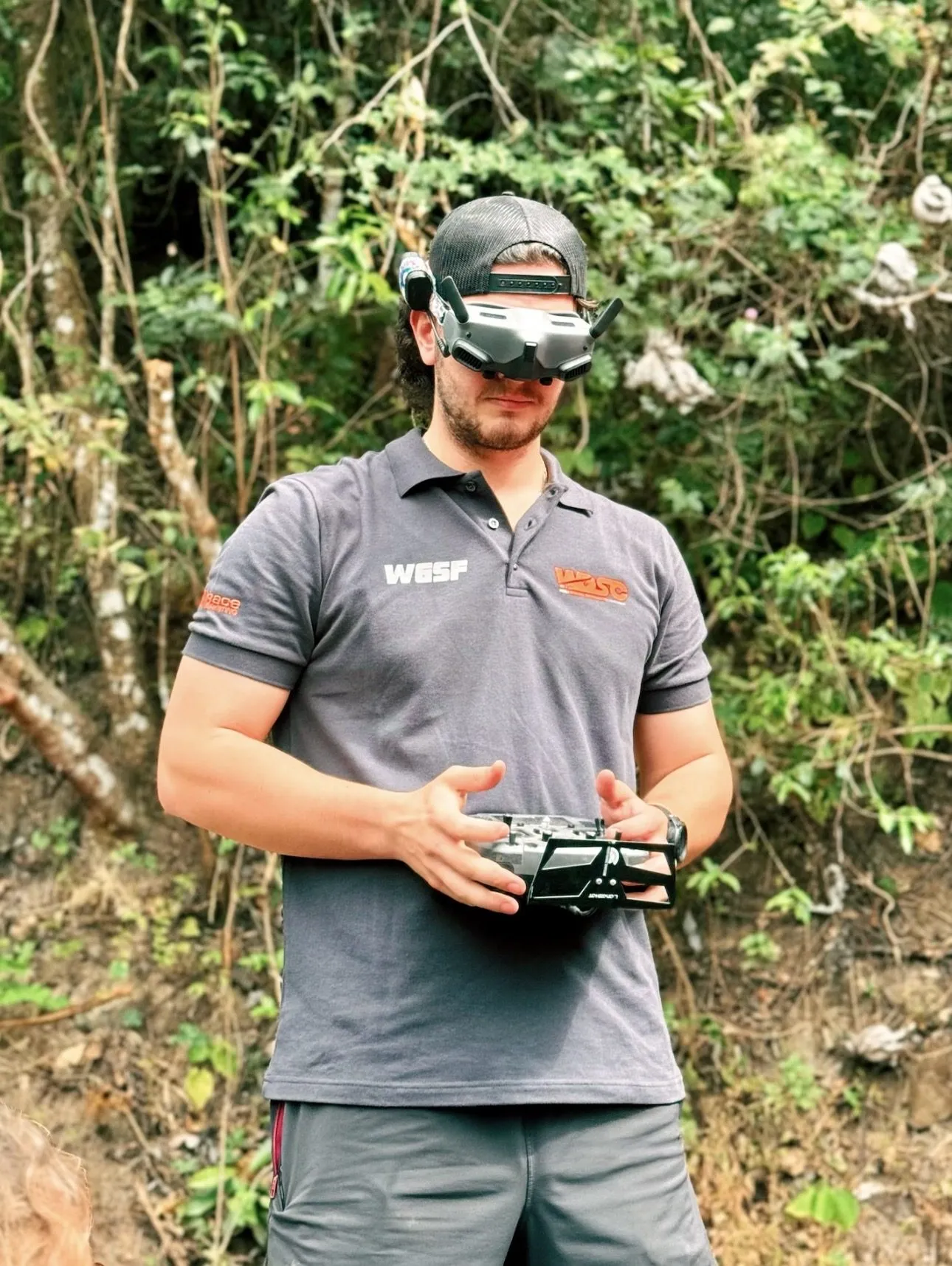
FPV Drone Tours for Charlotte Real Estate: The Full Playbook
A field guide to FPV drone tours for Charlotte listings: how we plan the route, direct the agent, pick the gear, and deliver the MLS and social cuts. Specifics, not sales copy.

Seller's Prep Checklist: How to Get Your Listing Ready for Shoot Day
What to do before the crew arrives, interior staging, exterior cleanup, fans, window screens, cars, and pets. The prep list that keeps the shoot on schedule and the final cut clean.
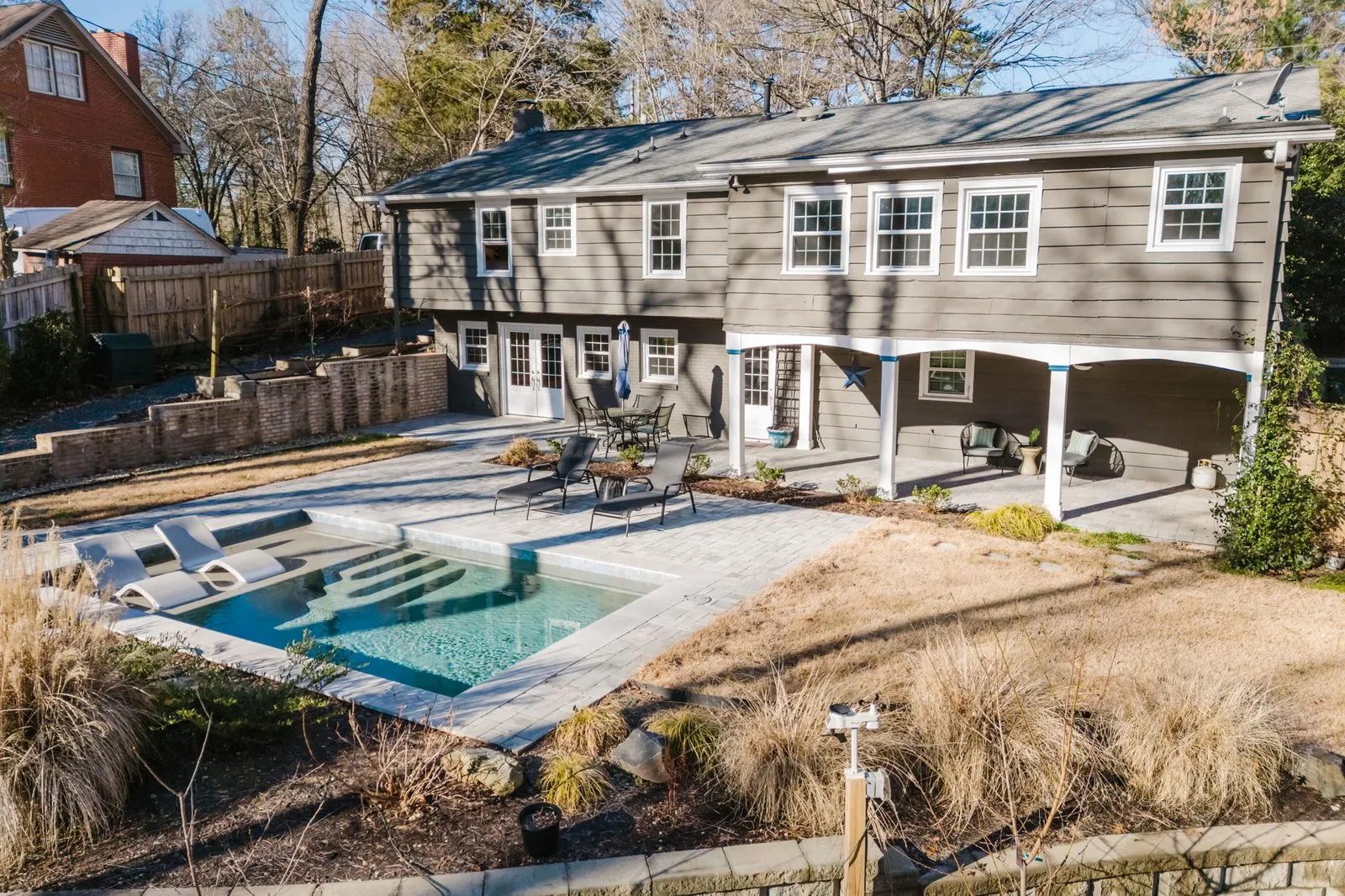
131 Wilby Dr. Sold 5% Over List on the $395 Drone Tour Package
Drone Tour only, $395. Sold $37,000 over list in 19 days. The cheapest OSDT package, at 105% of list.