How OSDT Works With Agencies: The Collaborative-Set Model
Live feed on an iPad, on-set direction from the creative team, same-day OCN handoff, how we plug into agency production workflows without adding friction.
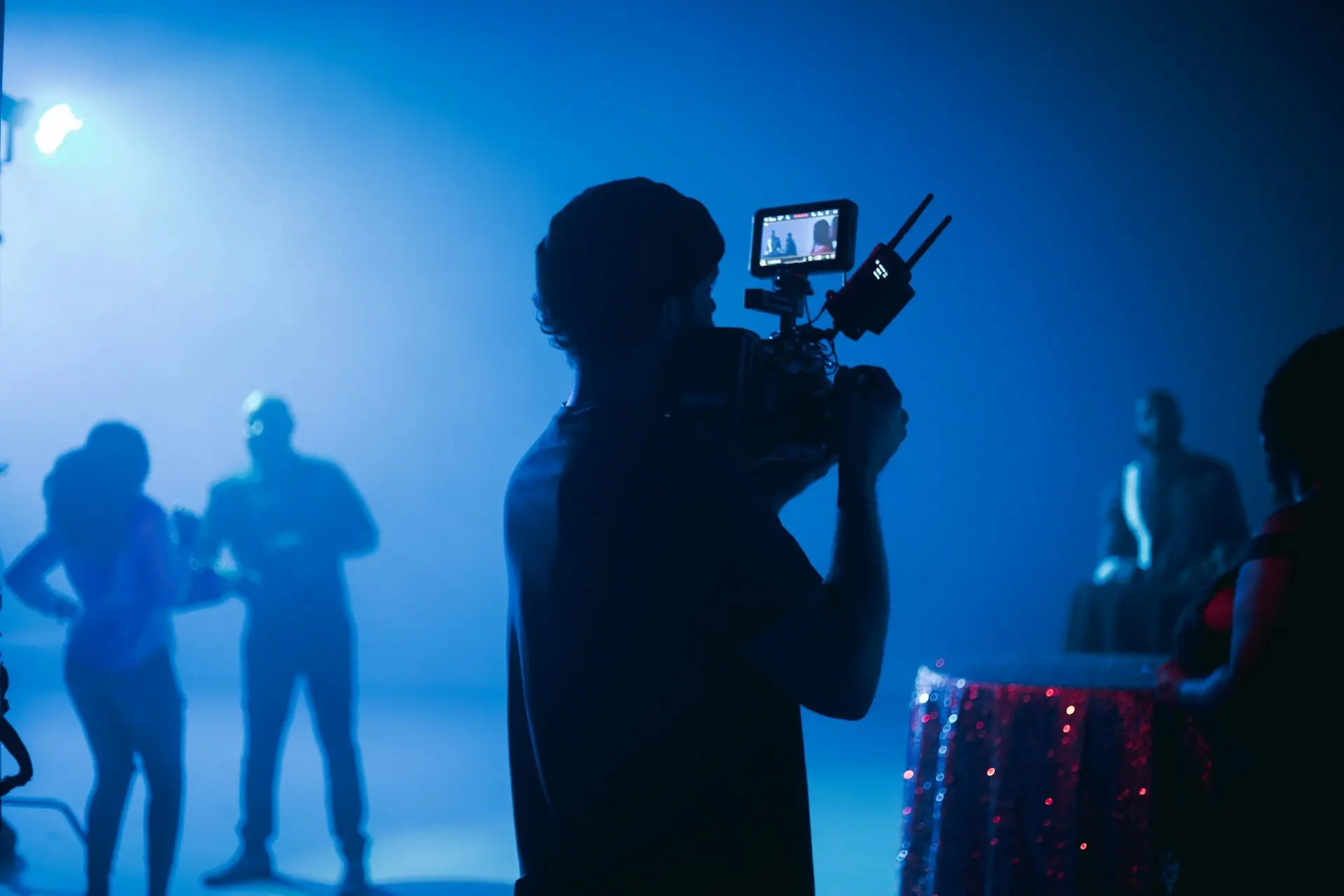
The failure mode that kills most FPV production shoots isn’t the flight itself. It’s the gap between what the creative team wanted and what the pilot actually captured. The pilot is in goggles and can’t see the set; the creative director is on the monitor cart and can’t see what the pilot is seeing. The agency approves a take that doesn’t quite match the storyboard, the pilot moves on, and nobody notices until the edit bay three weeks later.
That’s fixable by putting everyone on the same feed in real time. The way we work with agency creative teams, on the East Coast Marble shoot and every production day since, is built around collaborative on-set review, not sequential post-flight approval.
This post covers the workflow: live feed, on-set direction, decision-making cadence, and same-day original camera negative handoff.
Live feed on an iPad, on a production monitor, or both
On every OSDT production day, the creative team sees what the pilot sees. For residential-adjacent shoots or smaller productions, that runs on an iPad that stays with the creative director. For larger agency productions, we run a dedicated production monitor on the video village rig, director, DP, and client stakeholders all seeing the feed together.
The feed is the pilot’s goggles output. Whatever Hunter sees in the goggles is what’s on the monitor. That changes the creative workflow in three ways:
Takes get called while they’re happening, not after. If a move doesn’t feel right, the creative director can call an abort mid-flight, same verbal protocol as calling cut on a live actor. The pilot resets, the brief is clarified, and the next take runs with the correction. No multi-take cycles where the pilot is guessing at intent.
Client approvals happen on-set. The agency’s account lead and the client stakeholder see the same feed. If the client is at the shoot, approvals on critical captures happen before we leave the location. That eliminates the most common source of reshoot requests in agency production work, the client seeing something at the edit stage they didn’t realize was going to look like that.
LUT applied on the monitor. The feed runs through a LUT matched to the post pipeline’s grade intent, so what the creative team sees on the monitor is close to what the final cut will look like. No “it’ll fix in post” conversations about color space.
The storyboard is the starting point, not the end point
Production FPV shoots run on briefs and shot lists. What we don’t do is treat the storyboard as a rigid script that kills real-time creative choices on set.
A typical flow:
Pre-production. The agency sends the treatment, shot list, and storyboard. We come back with rig recommendations, critical-path captures flagged, and any technical constraints the board didn’t account for (airspace authorizations, indoor lighting considerations, reachable camera angles). That review catches 80% of the problems that kill shoot days before they happen.
Rehearsal. Where the shoot allows, we rehearse the critical flight paths in the actual location before the call sheet starts. Rehearsal locks the pilot’s route memory and gives the creative team a chance to adjust the storyboard against what the physical space actually allows. This is the step most FPV operators skip, which is why most FPV shoots over-run.
Shoot day, with the ability to improvise against the board. The shot list is run top-to-bottom, but the live feed lets the creative director call audibles when a better shot presents itself in the moment. Pilots who fly shot-list-only without on-set adaptability miss the captures that make a commercial memorable. The ones that do, because the collaborative model supports it, produce the material agencies remember the project by.
On-set decision-making cadence
A production day runs 6 to 10 hours of active capture. The decision-making cadence we default to:
- At start of day: creative team walks the pilot through the storyboard at the monitor. Any technical clarifications (which rig for which sequence, what lenses, what flight envelope) get settled before the first rig goes in the air.
- Between takes: 2-to-3 minute review cycles. Watch the take on the monitor, decide what to change, set up the next attempt. That review cadence is what makes the collaborative model work, not a post-wrap dump of footage for agency review later.
- Mid-day reset: a 20-to-30 minute review of what’s been captured, what’s still missing, and whether the shot list priorities need to reshuffle against the remaining shoot window. This is the conversation that prevents the 11:30 PM wrap call where half the shot list is still unshot.
- At wrap: original camera negative is downloaded, verified, and handed off the same day, not mailed next week. The agency’s edit team can start ingesting tonight if the brief calls for it.
Same-day OCN handoff, why it matters
Original camera negative (OCN) handoff is the source-file deliverable. The rule: agency leaves the shoot with the raw files, either on a physical drive or uploaded to the agency’s preferred transfer service (Frame.io, WeTransfer Pro, Aspera, or direct cloud transfer to the agency’s asset management).
For BRAW and R3D footage (cinelifter tiers), on-set data wrangling runs during the shoot. By wrap, the files are offloaded, verified with checksums, and proxies generated if the agency’s post pipeline needs them. That means the edit team isn’t waiting 72 hours for a hard drive to ship, they’re ingesting the day of.
Same-day OCN handoff is the line in the sand between production workflow and listing workflow. Listing work runs on a 24-hour deliverable turnaround for the finished cut. Production work runs on raw files delivered the day of the shoot, because the agency’s post pipeline is the one that matters, not ours.
Working with a DP or director
OSDT’s role on a production shoot is cinematographer-of-FPV-unit, not creative lead. On productions that have a director and a DP, Hunter takes direction the same way any cinematographer takes direction, shot list in, shot list out. LUT applied on the monitor, playback of each take, same-day OCN handoff.
What Hunter adds to a shoot that a typical freelance FPV pilot doesn’t: the depth to have an actual conversation with the DP about what the shot list is trying to do. Independent work including music video FPV for the artist Anella and multi-day live FPV for downhill skateboarding tournaments in El Salvador and Utah gives Hunter a reference base most regional FPV operators don’t have. For productions with established creative leadership, that depth means the pilot is a collaborator, not a service provider reading a shot list.
For productions without an on-set DP, smaller agency brand content, social-first commercials, direct-to-client music videos. Hunter can function in a dual role, running the FPV unit as cinematographer and filling creative gaps where the agency’s internal team is thin.
What an agency needs to brief us with
Minimum viable brief to scope an OSDT production shoot:
- Treatment or rough board. What the agency is trying to make. A 3-sentence description works if the shoot is straightforward; a 10-frame rough board works for complex creative.
- Shot list (or sequence of intended captures). Can be rough. We’ll come back with clarifications.
- Location(s). Addresses, or at minimum the neighborhood. Airspace authorizations run off location.
- Timeline. Shoot window, wrap window, edit deadline.
- Deliverable formats. What the post team wants (BRAW, R3D, ProRes proxies, LUTs).
That’s enough to scope. A full quote comes back within 24 hours with rig recommendations, crew proposal, and budget line items.
What we don’t need upfront: complete storyboards, locked shot lists, or fully-approved treatments. Many of our best agency productions have come out of conversations that started with “we’re thinking about doing X”, the production pillar post covers the broader fit picture.
Which agencies this model works best for
Our ideal agency fit is mid-size Charlotte and regional shops producing commercial, branded-content, and brand-film work with in-house or partnered creative leadership. The collaborative-set model works best when:
- The creative team wants a cinematographer who takes direction, not a pilot who just flies
- The post pipeline is native to BRAW or R3D, or can work with ProRes proxies
- The production has at least one week of lead time for pre-production review
- The brief has enough definition that a 45-minute pre-call clarifies 80% of the shoot plan
For agencies with established production FPV vendors who are looking for a regional Charlotte option to avoid travel costs on Southeast shoots, we’ve slotted into existing production workflows as the local FPV unit, same collaborative model, just with the agency’s existing tooling.
The collaborative-set model is what makes production FPV usable inside an agency’s regular workflow instead of being a standalone vendor relationship. Live feed, on-set direction, same-day OCN handoff, these aren’t premium features, they’re the baseline for how serious production work operates. Agencies scoping their first Charlotte FPV shoot should expect all three.
To scope a production shoot, email contact@oneshotdronetours.com or see the production page for the rate card. The cost breakdown post covers the full line-item structure. The production pillar post covers the capability picture end-to-end.
Related journal posts
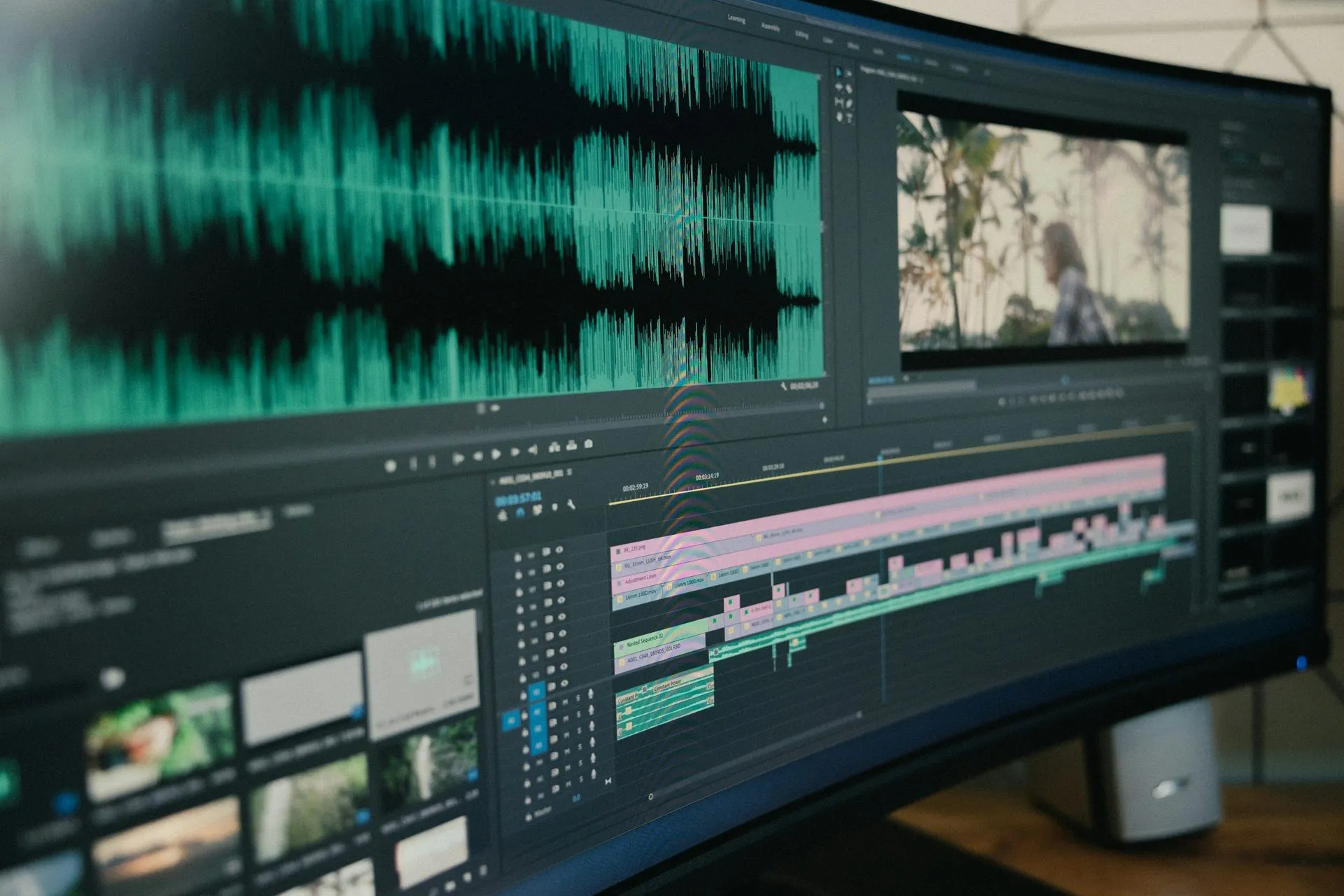
Production FPV for Music Videos, Commercials, and Brand Content
Production FPV, cinema-rig drone work for music videos, commercials, and brand content. What we shot for East Coast Marble, and the partner résumé behind OSDT's production capability.
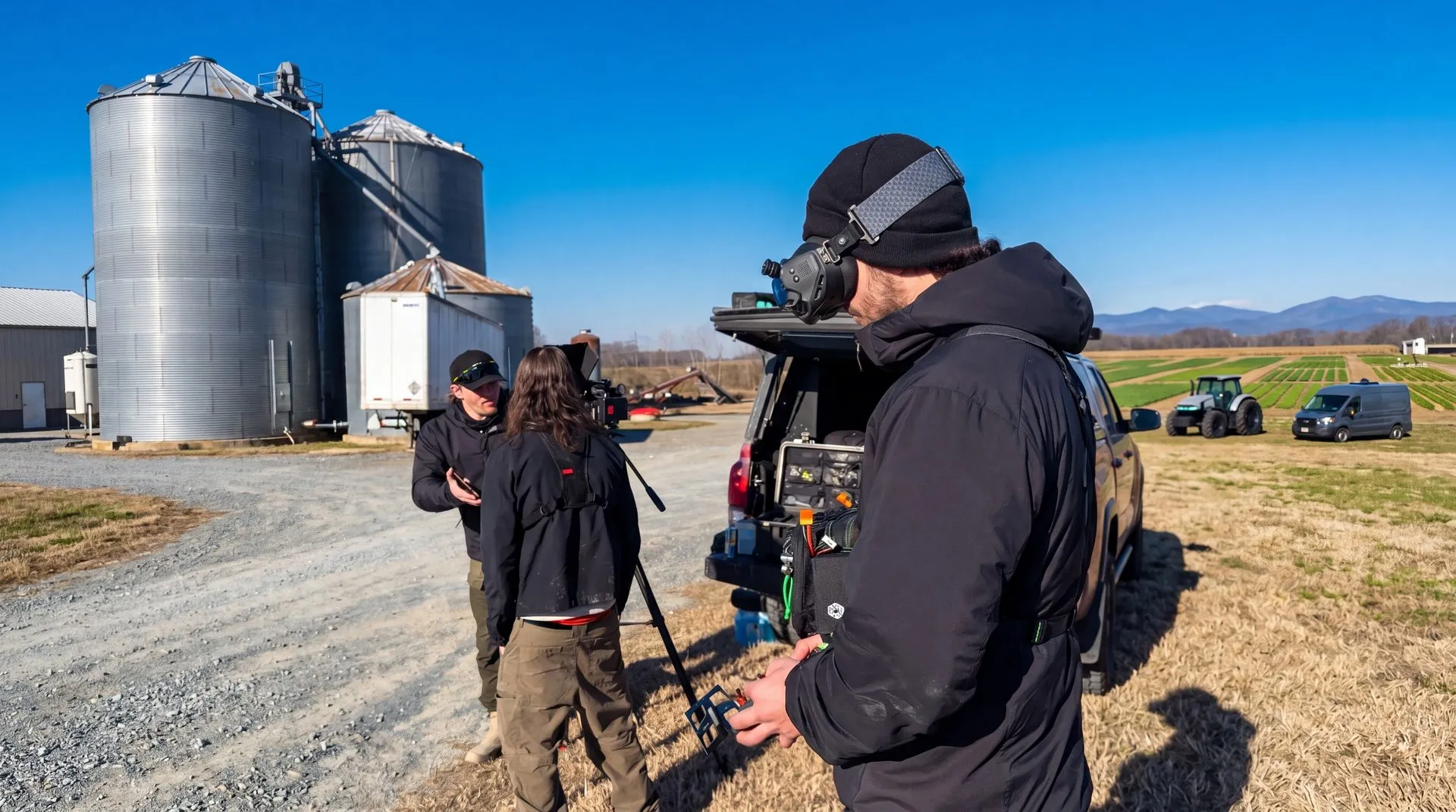
What a Production-Day FPV Shoot Actually Costs
Transparent day-rate breakdown for production FPV, $1,750 native base, $2,800 cinelifter + Blackmagic G2, $4,200 cinelifter + RED Komodo. What each tier includes and what the add-ons look like.
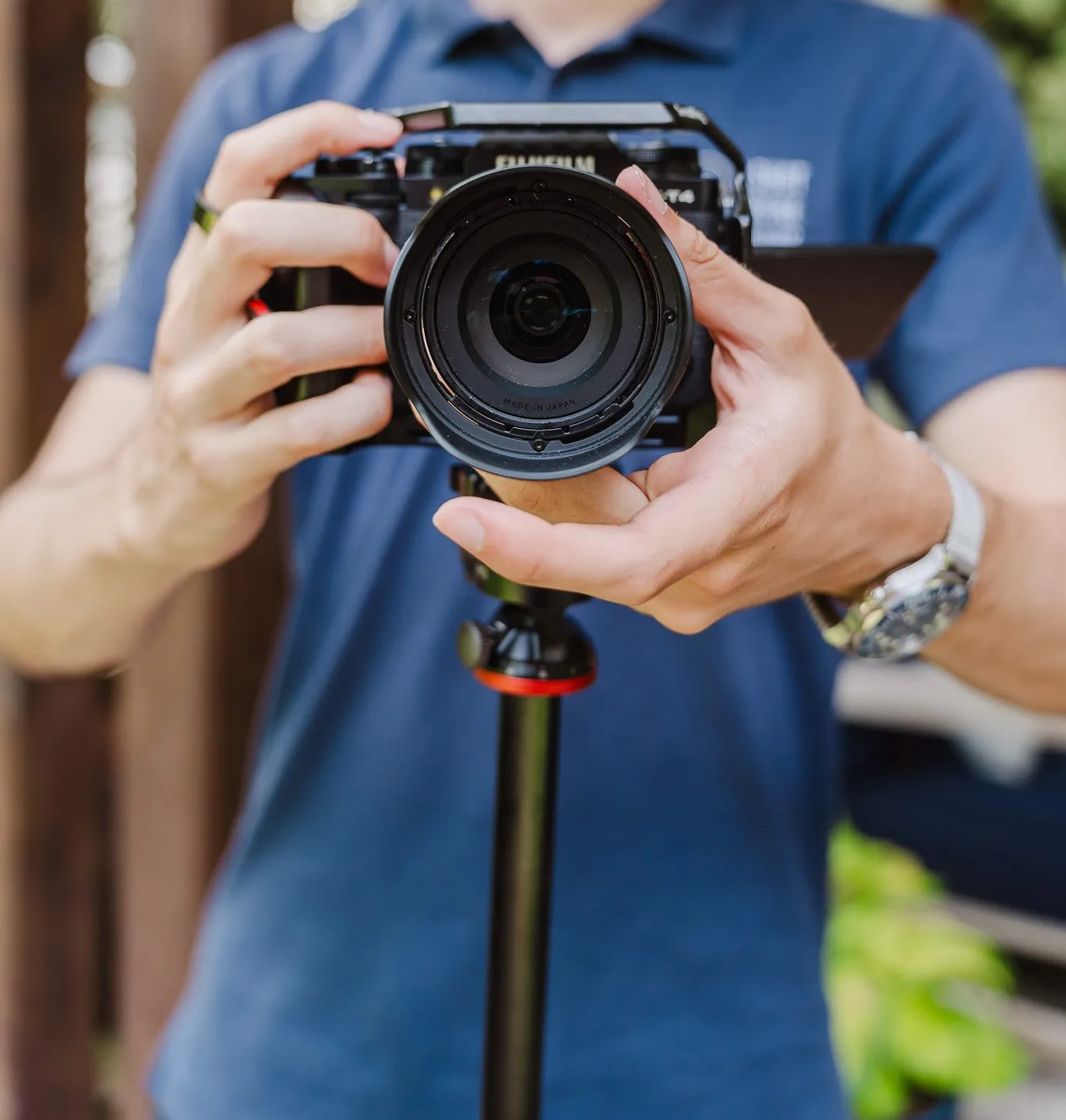
The OSDT Equipment Guide: Every Rig We Fly and Why
The complete OSDT equipment breakdown: FPV rigs, gimbal systems, cameras, radio links, editing stack, and field infrastructure. What we fly, what we shoot with, and the logic behind each choice.