What to Ask a Drone Photographer Before You Hire Them
The vetting checklist Charlotte agents should run before handing over access to a listing. Part 107, Remote ID, insurance, LAANC, portfolio, and the three red flags that matter.
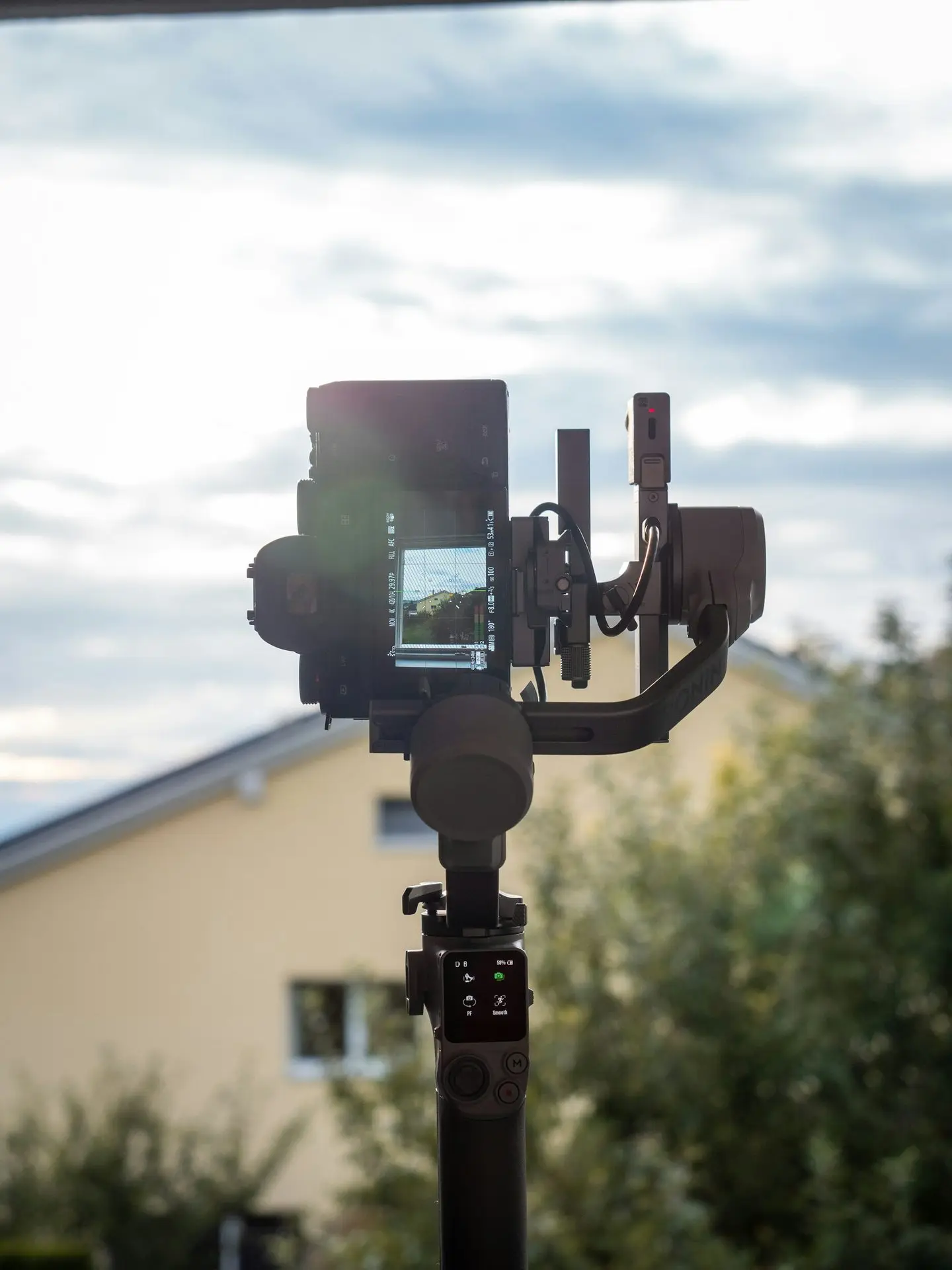
The barrier to entry for flying a drone is low. A consumer-grade aircraft costs $400, an afternoon on YouTube gets you airborne, and within a weekend someone can set up a Google Business Profile and start taking listings. The barrier to flying drones legally and safely on commercial real estate shoots is much higher, and most of the operators advertising drone services in Charlotte don’t actually meet it.
For agents, the gap matters. Hiring an unlicensed operator puts your listing, your brokerage, and your seller’s property on the wrong side of a federal regulation, and on the wrong side of a liability claim if something goes wrong. None of that is visible from a Facebook post with a few aerial photos. It’s only visible if you know what to ask.
This is the vetting checklist. Five questions, a minute each, that separate credentialed commercial operators from the rest.
1. “Are you Part 107 certified? What’s your certificate number?”
FAA Part 107 is the baseline credential for commercial drone operations in the United States. Any operator flying for hire, real estate, commercial, events, anything where money changes hands, is required to hold a current Part 107 Remote Pilot Certificate. Passing Part 107 requires an aeronautical knowledge exam at an FAA-approved testing center, a TSA security background check, and registration with the FAA’s Drone Zone system. The certificate is valid for 24 months.
Ask for the certificate number. It’s verifiable in the FAA’s public registry. Any hesitation to provide it is the answer.
An operator who isn’t Part 107 certified and is still charging for drone media is flying illegally. That’s not a gray area, it’s federal regulation. Hiring them means you’re contracting with someone who can’t legally do the job.
2. “Do your aircraft broadcast Remote ID?”
Remote ID is the drone equivalent of an aircraft transponder. Since March 16, 2024, the FAA requires all drones between 0.55 and 55 pounds to broadcast identification, current location, and control station location in real time during every flight. No exceptions outside of FAA-designated identification areas.
An operator running aircraft without Remote ID compliance is running unregistered, untraceable equipment. If something goes wrong on your property, a flyaway into a neighbor’s window, a malfunction on approach, the aircraft can’t be legally identified, which complicates both the regulatory response and the insurance claim. A “yes” here is table stakes. A “what?” is the answer.
3. “Do you carry liability insurance? Can I see a current Certificate of Insurance?”
Drone liability insurance covers third-party bodily injury and property damage caused by the aircraft during operations. It doesn’t cover the drone itself (that’s hull/equipment insurance, a separate product), it covers damage the drone does to things and people that aren’t the drone.
A $1M liability policy is the appropriate floor for residential listing work. Some brokerages and corporate clients require $2M.
Ask for the Certificate of Insurance (COI). It should be a one-page document from the insurer listing the policy type, the liability limit, the effective dates, and the named insured. A credentialed operator provides this within minutes, most insurers generate it instantly from their portal. For brokerages with compliance requirements, ask for an additional insured endorsement naming your brokerage on the policy. That adds your entity to the coverage for the shoot, giving you direct standing if a claim becomes necessary.
The regulations and insurance post covers what a COI specifically means and what to look for. For reference: OSDT carries $1M liability through SkyWatch.ai (underwritten by Starr Insurance), with same-day COI turnaround and additional insured endorsements available on request.
4. “Do you file LAANC authorizations for controlled airspace?”
Most of Charlotte sits inside Charlotte Douglas International’s Class B airspace footprint. That includes Myers Park, Dilworth, Ballantyne, South End, University City, and most of the corridors agents actively list in. Flying a drone in that airspace without authorization is a federal violation.
LAANC (Low Altitude Authorization and Notification Capability) is the FAA system for getting that authorization. A pilot submits a flight request with location, altitude, and time window; the system either approves it near-instantly or flags it for manual review. Most Charlotte residential requests clear in under two minutes.
Any operator who doesn’t know what LAANC is, or who says “I don’t usually file for small shoots,” has never shot a commercial listing near an airport. That’s a disqualifier, they either don’t understand the regulation or they’re willing to operate outside it. Neither is acceptable on a property you’re listing.
For Concord and Cabarrus County specifically, Concord Regional Airport (JQF) creates a separate Class D airspace that also requires LAANC. Operators should file for that corridor too.
5. “Can I see five examples of your work on properties comparable to mine?”
The regulatory questions separate credentialed operators from unlicensed ones. The portfolio question separates serious operators from casual ones.
Ask to see five full portfolio examples, not just social clips, but the actual MLS-ready deliverables for listings comparable to yours in price point and property type. What you’re looking for:
- Interior continuity. FPV tours should be unbroken flythroughs, not cut-together clips. If every transition has a hard cut, the operator isn’t actually shooting FPV, they’re editing phone footage.
- HDR consistency. Interior photos should have clean window exposure, balanced color temperature, and straight verticals. Listings with blown-out windows or warped walls signal either weak equipment or weak post-processing.
- Aerial framing. Exterior aerials should hold the house centered and horizontal, with lot context visible. Tilted horizons or off-center framing signal an amateur pilot.
- Delivery format. Ask how the files get delivered. An operator who can’t articulate a clean MLS upload workflow (2-to-3 minute horizontal cut, vertical social cut, high-res stills, floor plan if included) doesn’t work at enough volume to have a standardized process.
If the operator’s portfolio is all from their own drone flights around Uptown Charlotte and not on actual listings, they haven’t shot real estate. That’s a different job.
The three red flags that matter most
If you only have time for one pass, these are the disqualifiers:
Red flag 1. No Part 107 certificate number. Non-negotiable. Don’t hire an unlicensed operator even for a discount. The legal exposure is yours.
Red flag 2. No current COI. An operator without active insurance is an operator who passes liability onto you if something goes wrong. Your brokerage’s E&O insurance is not a substitute.
Red flag 3, “I don’t usually file LAANC.” Either they don’t understand the regulation or they’re flying illegally in controlled airspace. Both are disqualifying for Charlotte work specifically.
What a credentialed operator answers in under a minute
A serious operator will answer all five questions in under 60 seconds, hand over the Part 107 number, send the COI to your inbox before the call ends, and pull up portfolio examples matching your property type on the spot. None of this is difficult, it’s the baseline for operating legally and professionally in a major metro airspace.
If you’re scoping a shoot and want to run the checklist on OSDT specifically: Part 107 certificates for every pilot, Remote ID on every aircraft, $1M liability through SkyWatch.ai with same-day COI and additional insured endorsements, LAANC filed on every shoot in controlled airspace, and a portfolio of Charlotte residential work across every price point from Photo through Elite. The regulations and insurance post covers the compliance picture in detail.
The gap between a credentialed drone operator and someone flying a consumer drone for cash is the difference between a well-shot listing and an incident report with your brokerage’s name on it. The vetting takes sixty seconds. Running it once is the cheapest risk management you’ll do on any listing.
To scope a shoot or request a COI with your brokerage named as additional insured, email contact@oneshotdronetours.com. The residential page has the full package breakdown and pricing, and the how to choose a package post covers which tier fits which listing.
Related journal posts
Drone Regulations + Insurance: What Clients Should Actually Ask About
A direct explainer on drone regulation and insurance. Part 107, Remote ID, LAANC, liability limits, and what a COI means for your shoot. Written for clients, not pilots.
How to Choose the Right Drone Package for Your Charlotte Listing
A direct decision framework for which OSDT package fits your Charlotte listing, by price point, property type, lot, and how much work the listing media actually needs to do.
FPV Drone Tours for Charlotte Real Estate: The Full Playbook
A field guide to FPV drone tours for Charlotte listings: how we plan the route, direct the agent, pick the gear, and deliver the MLS and social cuts. Specifics, not sales copy.