Indoor FPV at Live Events: The Safety Playbook for Flying Around Guests
How we fly FPV through packed bars, live DJ sets, and occupied venues, the rig class, pre-flight walks, crew coordination, and insurance posture that make event-day drone work actually shootable.
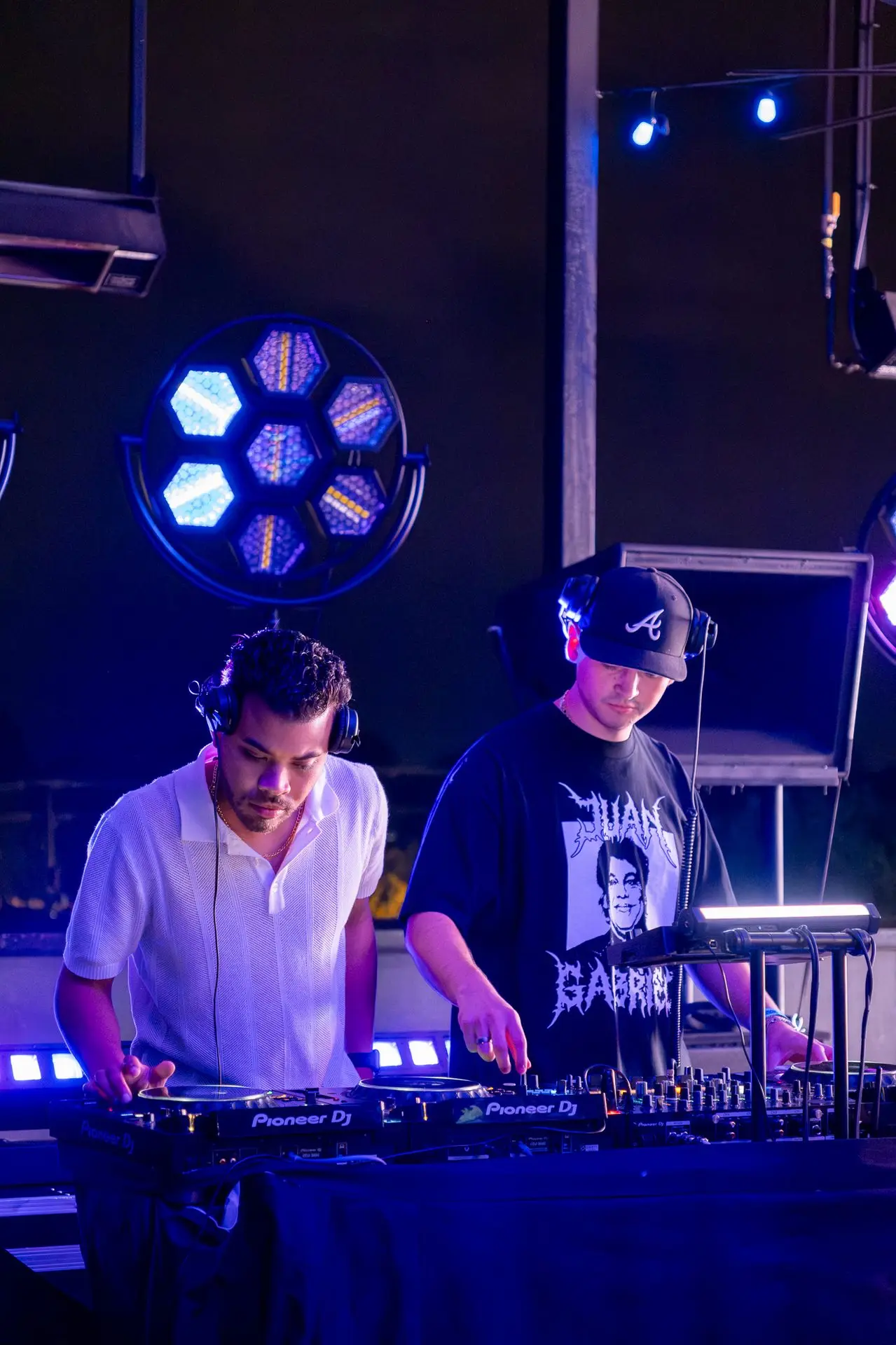
Flying an FPV drone indoors, around guests, during a live event is the hardest subset of commercial drone work. It’s also the subset where a single mistake has the biggest consequence, a drone contacting a guest at a wedding, a DJ set, or a packed bar isn’t a retake. It’s an incident report, a liability claim, and a career-ending post on the venue’s Yelp page.
That’s why event-day indoor FPV has a playbook, and why venues scoping this kind of shoot should know what to ask for. If an operator’s answer to “how do you do this safely?” is some version of “we’re careful,” that’s the wrong operator. Safety in this environment is a system, not a disposition.
Here’s the system we run, with Platform Sports (packed Super Bowl watch party) and Must Be Nice (live DJ set with House Vibrations) as the working references.
The rig class is non-negotiable
The single most important safety decision happens before the shoot starts: which aircraft goes in the case.
For indoor FPV around guests, the rig class is a sub-250-gram ducted-prop cinewhoop. Specifically, the Spydr iTSY Evo sub-3-inch class or a comparable duct-protected micro. Three properties make this class of aircraft the correct choice:
Weight class. Sub-250 grams is the regulatory weight threshold below which the FAA applies certain operational flexibility. It’s also the practical threshold below which the kinetic energy of a falling or contacting aircraft drops meaningfully. A 250-gram aircraft at low altitude has a materially different impact profile than a 900-gram or 1,500-gram rig. For flights happening within feet of human beings, that margin matters.
Ducted props. The propellers are enclosed in a ring. If the aircraft contacts a wall, a light fixture, a guest’s arm, or anything else, the blades are shielded, no direct blade-to-object contact. This is the single most important physical feature on an indoor rig. Aircraft with exposed blades are not appropriate for flights around guests, full stop.
Maneuverability. Tight turning radius and fast directional response let the pilot navigate dynamic obstacle fields, moving people, drinks being raised, coats being removed. The aircraft can respond to unexpected changes in the environment fast enough to avoid contact.
Larger cinema rigs, the Straw Hat Sam Vulture with a Blackmagic G2, the ShenDrones cinelifter, are the correct tool for controlled production shoots without guests. They are the wrong tool for a live wedding reception or a packed bar. The gear guide covers the full rig hierarchy and when each one gets deployed.
Pre-flight walks, where most of the safety work happens
The time between signing the contract and the first motor spinning is where the shoot is actually made safe. The shoot itself is execution of decisions made before it.
Walk the space before the event. Ideally the day prior. For Platform Sports Super Bowl, we walked the bar before the game to log every TV location, every ceiling fan, every light fixture, and every pass-through where a server would be crossing during the flight. For Must Be Nice DJ set, we walked the venue before the DJ arrived to map the stage layout, lighting trusses, cable runs, and where the crowd density would peak.
Log every obstacle with altitude. The map isn’t a 2D floor plan, it’s a 3D obstacle set. Ceiling fixtures at 9 feet. TVs at head height. Stage equipment at 6 feet. Lighting trusses at varying heights depending on the event. Every obstacle gets logged with its vertical position so the pilot isn’t eyeballing clearances in the moment.
Confirm fans off. Ceiling fans are the single most common indoor FPV hazard people don’t think about. Every fan on the flight path has to be off for the shoot window. That’s a venue staff coordination point, confirmed before the flight, verified visually at the start.
Pre-plan the route. The flight path is drawn on the walk-through, rehearsed in the empty space if possible, and memorized. Live execution is the route being run, not the route being invented. Pilots who improvise indoor FPV around guests are pilots who eventually contact something.
Identify abort points. Every flight plan has predefined abort points, spots along the route where the pilot can cleanly land or bail if the environment changes unexpectedly (a guest steps into the path, a server crosses, the crowd shifts). Knowing where the abort points are means not having to find one under pressure.
Crew coordination during the flight
A live-event indoor FPV shoot is never a solo operation. The pilot is in goggles and can’t see the broader environment; the crew is the pilot’s situational awareness.
A dedicated spotter. One person whose entire job during the flight is watching the environment the pilot can’t see. Watching for guest movement, staff crossings, and anything that changes the obstacle field. The spotter has a direct comm line to the pilot, we typically use a whisper-mode call on a dedicated channel, and can abort the flight with a single word.
Venue-side liaison. Someone on the venue’s staff who knows the shoot is happening and can manage their team around it. Servers don’t cross an active flight path if the venue manager has pre-briefed them. For Platform Sports, this was the bar manager. For Must Be Nice, this was the venue operator alongside the DJ’s own crew.
Keep the crew minimal. The fewer people in the room who don’t need to be there, the fewer variables the pilot and spotter are managing. Three-person teams are our default for indoor event shoots: pilot, spotter, and one runner for rig swaps.
Insurance posture, what a COI actually means for event shoots
The insurance posture for indoor event work isn’t different from any other commercial shoot, but the relevance is higher because the incident probability, while still low, is non-zero.
We carry $1M liability insurance through SkyWatch.ai, underwritten by Starr Insurance, on every flight. For event-day indoor shoots, we provide a Certificate of Insurance naming the venue as additional insured on request, same-day turnaround. That gives the venue direct standing in the policy if an incident ever happens on-site.
Some venues require $2M limits for event-day work. We can arrange that on request for specific shoots.
All pilots are FAA Part 107 certified and all aircraft broadcast Remote ID per FAA requirements since March 2024. Indoor flights technically don’t require FAA airspace authorization (Part 107 regulates outdoor airspace), but the compliance baseline is the same operators who operate outdoors legally, not a consumer pilot who bought a drone and started taking venue bookings. The regulations and insurance post covers the full compliance picture, including what to ask any drone operator before you hire them for an indoor event.
Platform Sports, applying the playbook in a packed sports bar
Platform Sports Bar on Super Bowl Sunday was the canonical application of this system. Every seat filled, every screen on, bar three deep, active service running.
- Rig: Spydr iTSY Evo. Sub-250 grams, ducted props, log 4K onboard.
- Pre-flight: walked the bar before kickoff. Every TV and fan logged. Fans confirmed off for the shoot window. Route pre-planned entry through front door → over main bar → TV wall → booth side → ending on center screen.
- Crew: pilot in goggles, spotter on headset, bar manager coordinating staff flow.
- Execution: one take live during the game. No second pass. The edit is the take.
Three reels from three separate Platform Sports shoots (opening night, Super Bowl, Love Island) each cleared 100,000+ views. That’s the output of the playbook working. The Platform Sports + Must Be Nice case study covers the performance numbers in detail.
Must Be Nice, applying the playbook during a live DJ set
Must Be Nice rebooked us for a House Vibrations DJ set, a bass-heavy live performance inside the venue with an active crowd. Different constraints than Platform Sports: low light, vibration on the environment (which can affect visual reference points for the pilot), and a dynamic crowd moving to the music.
- Rig: Spydr iTSY Evo. Same reason.
- Pre-flight: walked the venue before the DJ arrived. Mapped stage layout, lighting trusses, cable runs, speaker stack positions. Confirmed lighting program with the DJ’s crew so the pilot knew when the venue would be darkest (during drops) versus brightest (between tracks).
- Crew: pilot, spotter, venue operator coordinating crowd flow in the peripheral zones where the flight didn’t reach.
- Execution: multiple shorter passes, not one continuous flight, the dynamic environment meant shorter routes with more frequent landing cycles to assess conditions between runs.
No contact, no incident, the footage delivered, the client happy.
What this system doesn’t allow
A playbook this specific is built around what it refuses to do. We don’t take:
- Same-day or next-day indoor event bookings. The pre-flight walk is the single biggest safety input. Without it, we don’t fly.
- Indoor flights with non-ducted rigs. Exposed-blade aircraft are not appropriate for flights around guests.
- Flights without a venue liaison. If the venue’s staff doesn’t know the shoot is happening, the coordination layer isn’t there, and the flight isn’t safe.
- Flights where the venue’s own safety protocols conflict with the shoot plan. The venue’s rules supersede ours. If a venue says the DJ booth is off-limits, we don’t route the flight through it.
Operators who take on indoor event shoots without these constraints are operators whose first major incident hasn’t happened yet. For venue managers scoping this kind of work, the safest vendor is the vendor with the longest list of things they won’t do.
Indoor FPV at live events is one of the highest-reach commercial media formats available to venue operators, and one of the highest-stakes shoots an operator can sign a contract for. The outcome is determined almost entirely by what happens before the rig leaves the case. Venues that book this kind of work correctly get the format that stops scrolls and books calendars; venues that book it carelessly get the incident that closes them.
To scope an indoor event shoot, wedding, DJ set, private dinner, live performance, public venue night, email contact@oneshotdronetours.com with venue, event window, and expected crowd density. The venues pillar post covers the broader venue playbook, and the Platform Sports + Must Be Nice case study covers the performance numbers the system produced.
Related journal posts
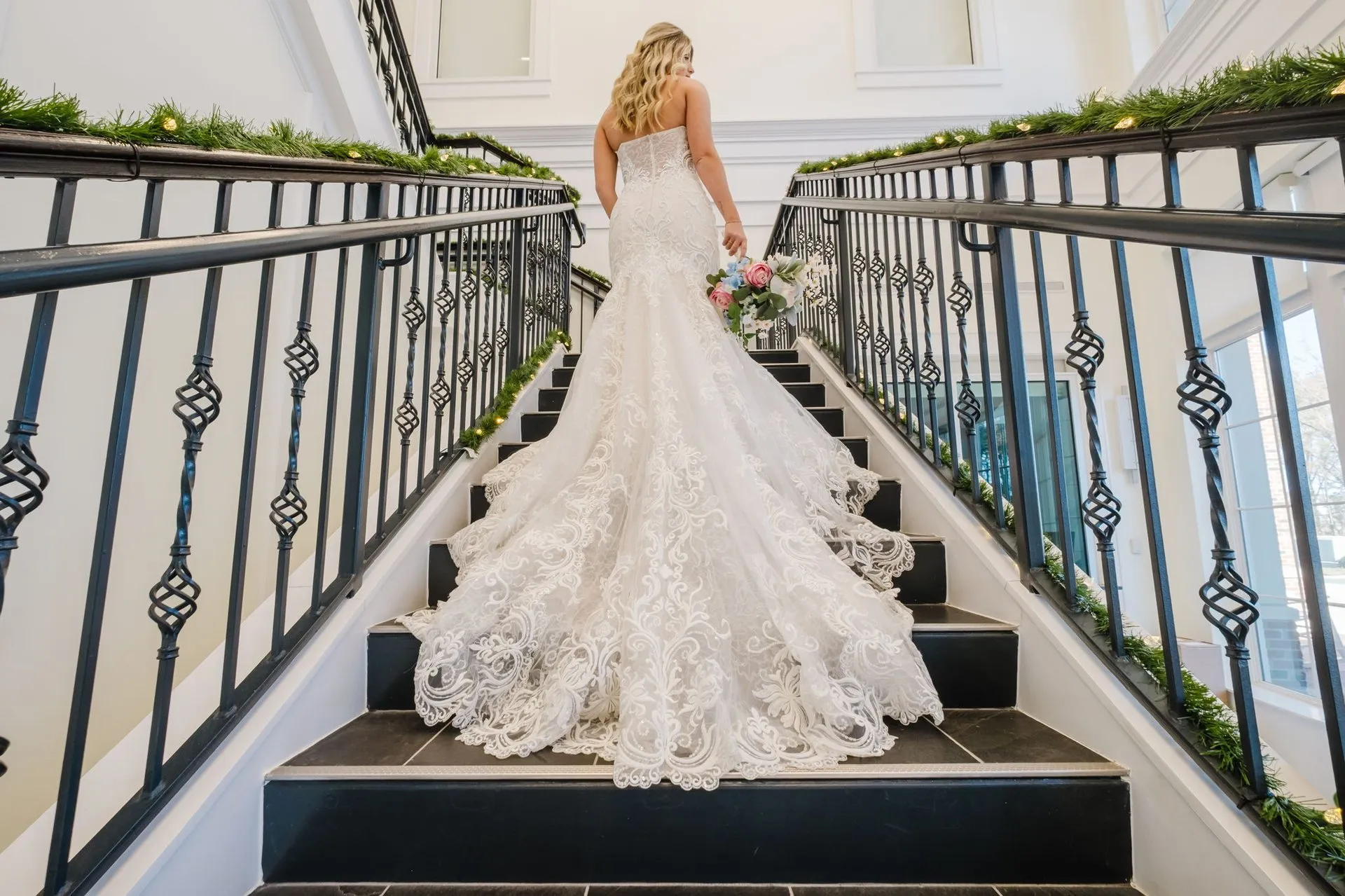
The Wedding + Event Venue Drone Playbook
Drone media for Charlotte wedding and event venues, when to shoot empty vs. event-day, what content books the next booking, and how we shot The Vow Room and Seagrill to prove it.
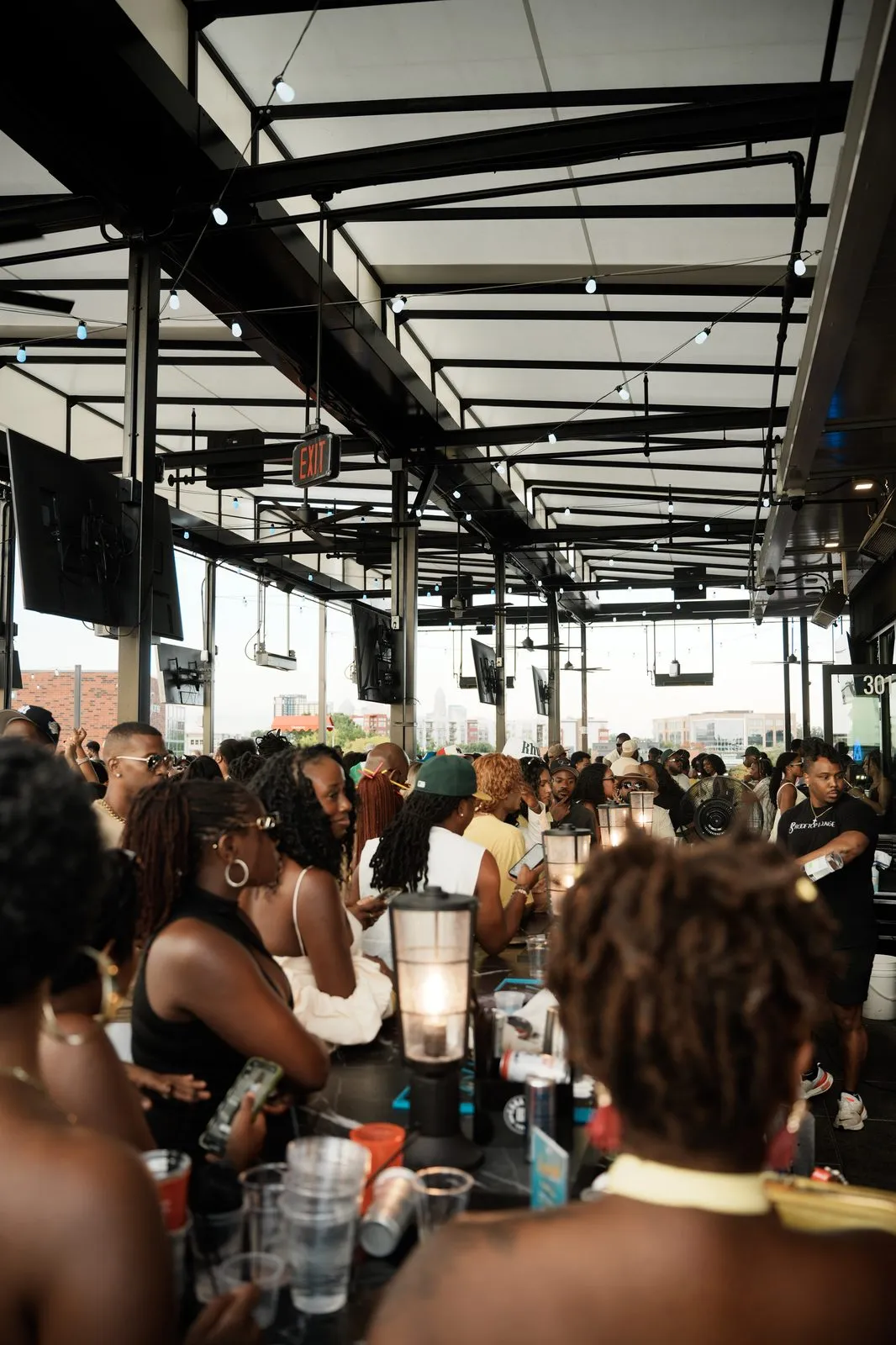
Three 100k-View Reels and a 50k-View Walkthrough: What Platform Sports and Must Be Nice Did Right
Three Platform Sports reels cleared 100k views each. Must Be Nice hit 50k+ on a single 20-second clip and rebooked for a DJ set. What the numbers mean, and why this format keeps outperforming.
Drone Regulations + Insurance: What Clients Should Actually Ask About
A direct explainer on drone regulation and insurance. Part 107, Remote ID, LAANC, liability limits, and what a COI means for your shoot. Written for clients, not pilots.