The Wedding + Event Venue Drone Playbook
Empty-venue showcase shoots, event-day coverage, and how Charlotte venues are using FPV and aerial media to book the next booking.
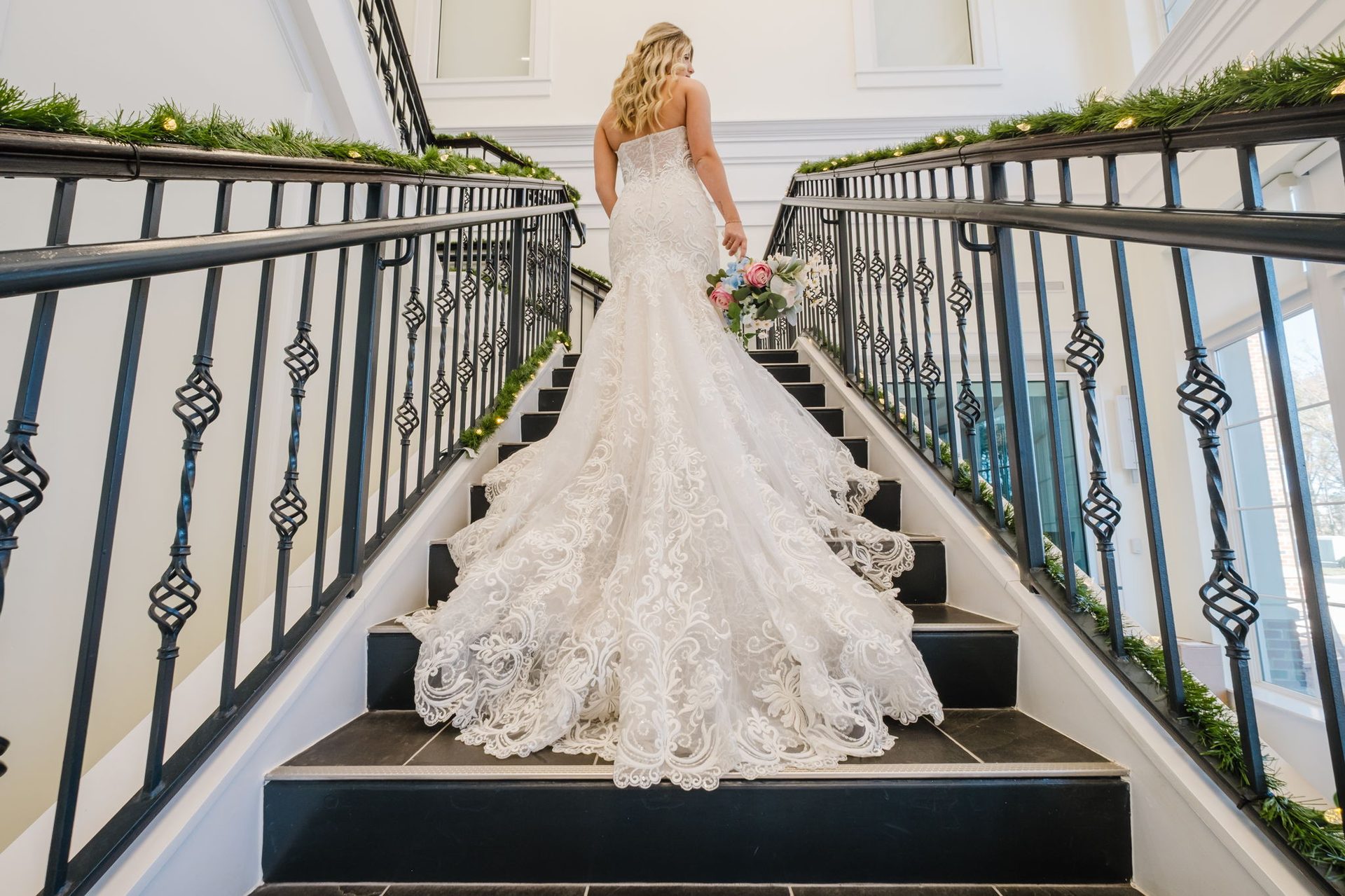
Venue media has exactly one job: book the next booking. A bride evaluating venues is comparing four or five sites against each other, on her phone, after hours, mostly from photos. The venues that convert aren’t always the prettiest, they’re the ones whose media does the work of a tour before a tour gets scheduled.
That puts a specific demand on the content. Static photos don’t communicate scale, flow, or the feel of a room set for a ceremony. A walk-through video on a phone reads as amateur. The format that answers the brief is a continuous FPV flythrough paired with aerial exteriors, the video that shows a bride the space the way she’d experience walking it, in the time a Reel holds attention.
Here’s the playbook across the two modes venue media operates in, with two Charlotte shoots. The Vow Room and Seagrill, as the working references.
The two modes of venue content
Venue media splits into two categories that require different planning, different crews, and different deliverables.
Empty-venue showcase. The venue set up the way it would be on an event day, chairs, tables, florals, lighting, the whole staging, but with no guests. The goal is to show the space at its best, doing its job, without the complication of a live event. These shoots happen on the venue’s schedule, can be rehearsed, and produce the evergreen marketing asset that lives on the website, the booking microsite, and the venue’s social channels for years.
Event-day or occupied coverage. The venue in use, a wedding, a private dinner, a public service night at a hospitality-forward venue. The content captures the venue doing what it actually does, which can convert differently than an empty-room showcase because it answers a question empty-room content can’t: what does this feel like when it’s actually running?
Most venues need both over time. The empty-venue showcase is the foundation. Event-day content layers on top once the foundation exists and the venue wants to refresh the feed with proof of a real event cadence.
The Vow Room, empty-venue showcase, staged for conversion
The Vow Room is a small Charlotte wedding venue. We shot it twice. Small venues have a specific problem with traditional media: photography can make them feel smaller than they are because the lens can’t compress the entire space into a single compelling hero frame. FPV fixes that. A continuous flythrough shows the full footprint as one connected space, ceremony area, aisle, backdrop, accent features, in the time and motion a viewer’s attention actually processes.
The second shoot added a model bride. Empty venues photograph cleanly, but venue media that includes a human in the frame converts better on the booking page, the bride walking the aisle in the video is the shot a prospective bride imagines herself in when she pictures her own wedding there. Not staged footage of a real wedding, which carries privacy and consent complications. A model bride in a staged setup, dressed and posed for the ceremony flow, gives the venue a deliverable that solves the empathy gap without exposing a real client.
What that produced for the venue:
- A single continuous FPV flythrough of the ceremony space, entrance, aisle, altar, backdrop, exit, paced to carry a prospective bride through the whole experience in under a minute.
- Exterior aerial context showing the venue in its surroundings. For smaller venues specifically, exterior aerial answers the “how do I find this place?” question that empty-interior photography never does.
- A short-form vertical cut tuned for Instagram and TikTok, which is where wedding discovery actually happens, not Pinterest, not the Knot first, the social feed.
The Vow Room shoot is the model for any small-to-mid-size wedding venue: staged empty, with a model bride walking the ceremony flow, captured in one unbroken FPV take that solves the scale problem traditional photography can’t.
Seagrill Charlotte, occupied venue with a dual-use room
Seagrill is a different shape of venue work. It’s a high-end Charlotte dining destination, open to the public as a restaurant, and available to book for private events. The brief was the top-tier dining area, which functions as both a public-facing room and a private-event venue depending on the night.
Dual-use venues have a specific content challenge: the same space has to market to two different audiences. The public-facing diner is evaluating ambience, food quality, and whether the room feels special enough for a date or a celebration. The event buyer is evaluating capacity, flow, and whether the room photographs well enough for their own guests to post from.
FPV solves both with one shoot. A continuous interior flythrough captures the space at its dressed best, table settings, glassware, ambient lighting, which reads as dining ambience to the restaurant audience and as private-event capability to the events buyer. The same footage runs on OpenTable, Resy, and Google Business for the restaurant side, and on the event-sales page for the private-event side.
For hospitality venues like Seagrill, the empty-venue showcase shoot is typically done pre-open or post-close, which gives the rig a clean space and controlled lighting. The commercial playbook post covers the restaurants-and-hospitality vertical in detail, including pre-open scheduling, kitchen/BOH sequences, and the full deliverable stack for dining-focused shoots.
What deliverables actually perform for venues
Across the venue work we’ve shot, the deliverables that convert cluster around three formats:
A 45-to-75 second landscape FPV flythrough. The hero content for the venue’s website and booking page. Long enough to show the full space; short enough to hold attention through the end. Music scored to the pacing of the room, no voice-over, no text overlay.
A 20-to-30 second vertical cut. For Instagram Reels, TikTok, and the venue’s own social feed. Same footage, different pacing and crop. This is the cut that drives discovery, wedding venues that stay active on short-form social get tagged in discovery searches, which is where high-intent brides find venues outside the directory sites.
Exterior aerial stills and short aerial video. Establishing context for the website hero section, brochure inserts, and the cover image on directory profiles (The Knot, WeddingWire, Zola). A strong exterior aerial is the first shot a bride sees; it signals production quality before she’s read a single word.
Optional add-ons that specific venues request:
- A secondary empty-mode shoot with a model if the venue wants human-in-frame content. Works for wedding venues; less often relevant for dining-forward venues where staff or diners can stand in.
- Event-day coverage on a flagship event, once the foundation content exists. Typically planned months ahead with the couple’s and planner’s consent.
- Seasonal refresh captures, a venue that shot in summer often wants winter or fall content 12 months later to reflect the venue across its programming.
Calendar and scheduling reality for wedding venues
Wedding venue shoots have their own calendar logic. The window when the venue looks best for showcase content is typically weekday mornings in a shoulder season, enough natural light, no active events, floral and staging easier to arrange. Event-day coverage has to be scheduled months ahead around a specific booked wedding, with the couple’s consent secured in writing.
The best-practice cadence we’ve seen:
- Year one as a venue: empty-venue showcase shoot with staged setup, ideally with a model bride. This is the foundation content that the booking page runs on.
- Year two: event-day coverage on one flagship wedding or event, used to layer proof-of-real-cadence onto the foundation. The couple gets their own deliverable; the venue gets rights to the room footage.
- Year three and beyond: seasonal refreshes, updated staging as the venue evolves, and continuous social cuts drawn from the master library.
Venues that only shoot once and rely on that content for five years look dated by year three. Venues that build a shoot cadence into the marketing budget have fresh content in every season, which is what the booking page and social feed need to stay competitive.
Indoor FPV around guests, the safety layer
Event-day shoots have a safety layer that empty-venue shoots don’t. A drone flying in a room with wedding guests or active diners is a different operational risk than flying in an empty space, and the planning layer behind those shoots is significantly larger. The indoor FPV safety post covers the rig class, pre-flight walks, crew coordination, and insurance posture that make event-day FPV actually shootable without a liability event.
The short version for venue operators scoping this kind of work: it’s only safe with sub-250-gram ducted-prop aircraft, pre-shoot walks, and a crew that’s flown this kind of shoot before. Any operator who doesn’t default to that playbook isn’t the right vendor for event-day coverage.
Pricing and logistics
Venue shoots are scoped per project. Variables:
- Square footage and complexity of the venue (single-room vs. multi-space vs. multi-building grounds)
- Empty-venue vs. event-day, event-day shoots carry more planning and crew overhead
- Model or staged setup, adds cost for the model, styling, and staging
- Deliverable stack, a single landscape hero cut is different scope than a full package with hero, vertical social, aerials, and still set
Empty-venue showcase shoots land in the $900 to $2,200 range for most single-location Charlotte work. Event-day coverage is scoped separately and depends on shoot duration, number of key moments to capture, and delivery timeline. Multi-venue or venue-group retainer pricing is available for operators with multiple properties.
Turnaround is 24 to 48 hours on the vertical social cut, 3 to 5 business days on the cinematic landscape cut with a full grade.
Venue media earns its cost when the next booking comes from someone who watched the video before she booked the tour. The Vow Room and Seagrill shoots both did that, different venue categories, same format, same result. If you operate a wedding venue, a dual-use hospitality venue, or an event space in Charlotte and want to scope a shoot, email contact@oneshotdronetours.com with venue details and timeline. The venues page has the full scope picture, and the indoor FPV safety post covers the event-day operational layer in detail.
Related journal posts
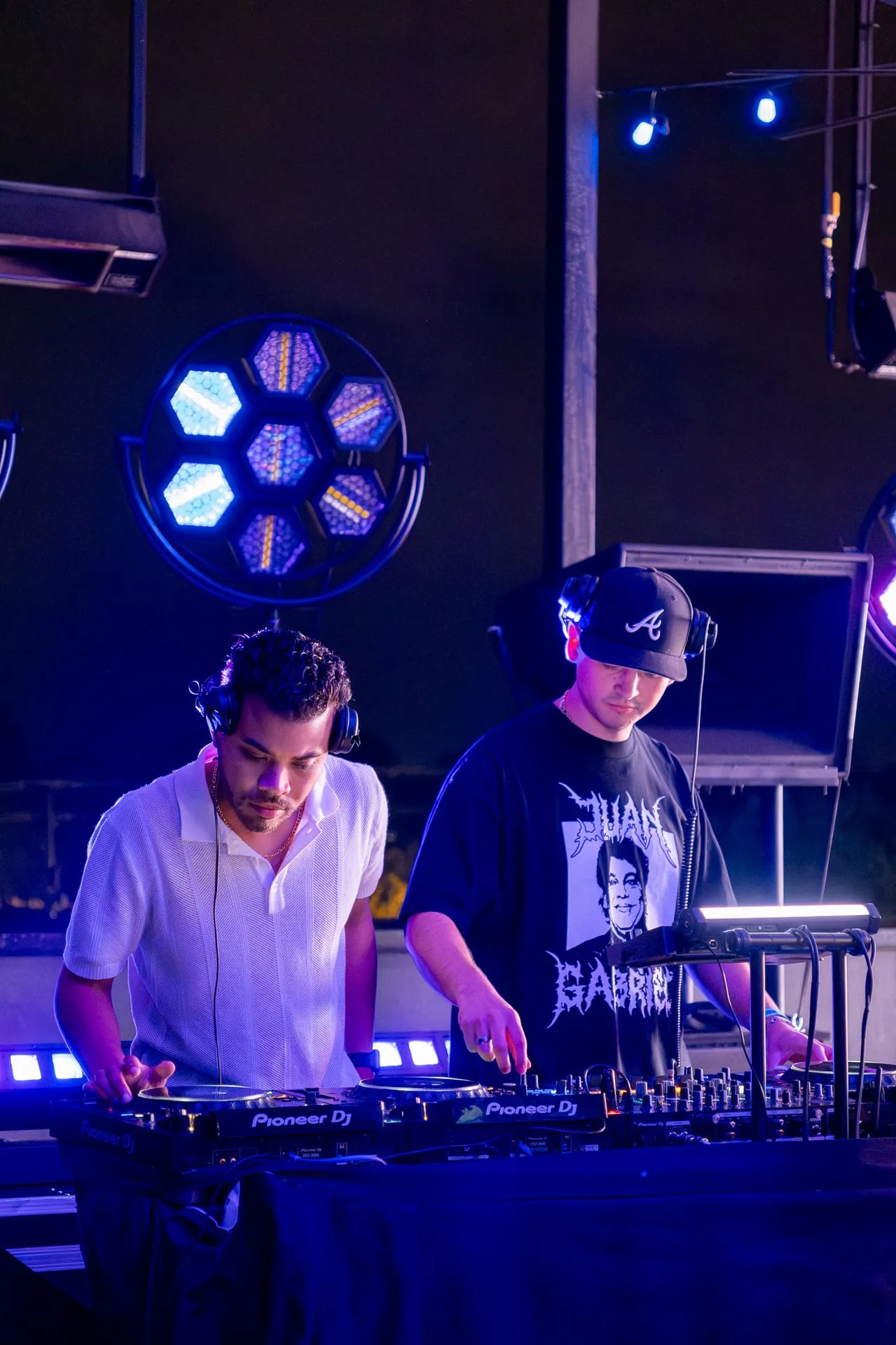
Indoor FPV at Live Events: The Safety Playbook for Flying Around Guests
The operational playbook for flying FPV drones indoors around guests, rig class, pre-flight walks, crew coordination, and insurance. Applied to Platform Sports and Must Be Nice shoots.
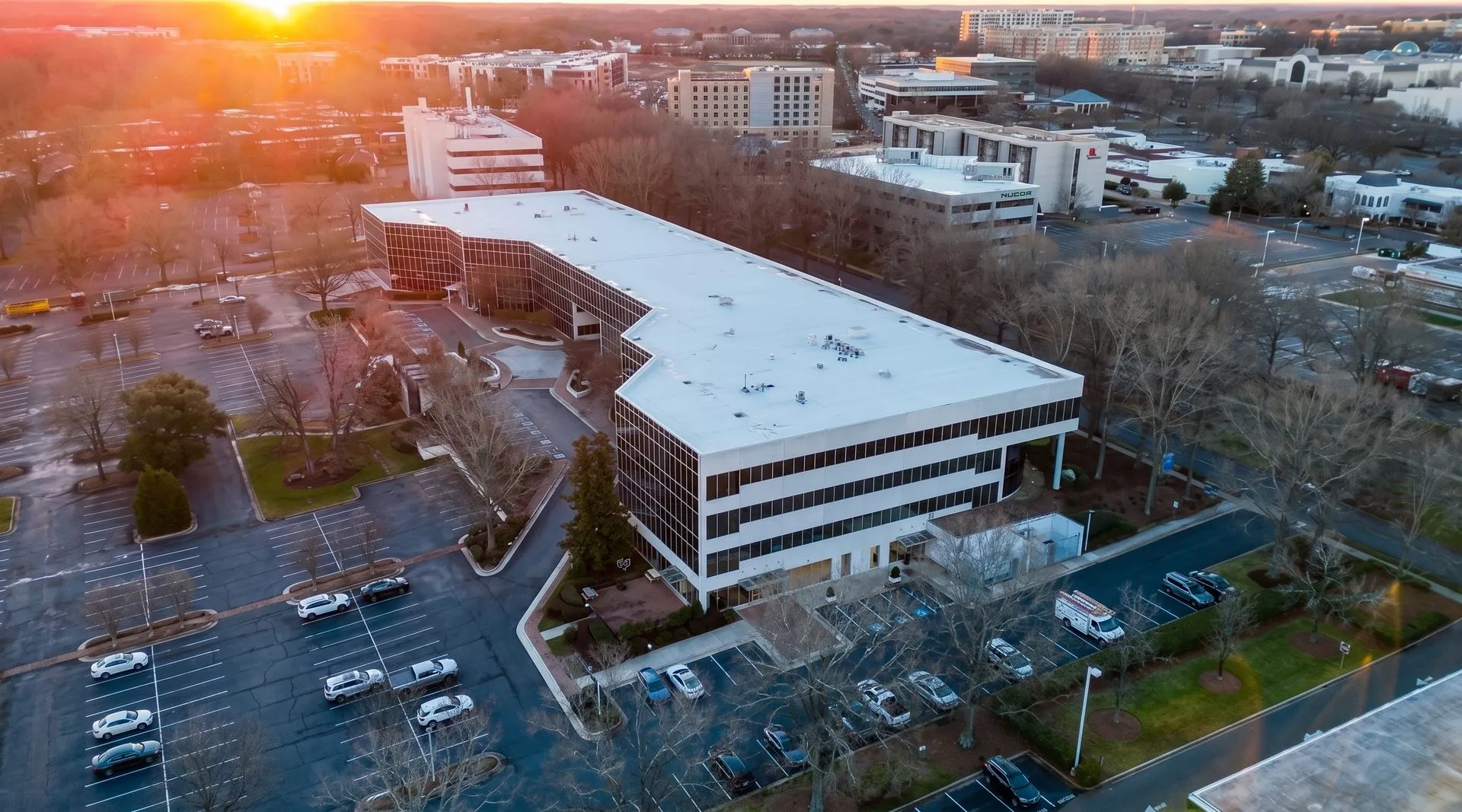
The Commercial Drone Media Playbook for Charlotte CRE
How Charlotte CRE brokers, developers, business owners, and hospitality operators use FPV and aerial drone media to lease space, close deals, and fill seats, across all four commercial verticals.

Drone Regulations + Insurance: What Clients Should Actually Ask About
A direct explainer on drone regulation and insurance. Part 107, Remote ID, LAANC, liability limits, and what a COI means for your shoot. Written for clients, not pilots.